



In the world of GTM strategy development and product launches, the journey from concept to market is often a symphony of collaboration, data, and insight. I led GTM strategy for the Archivist product launch and it was no different.
It began with a clear product roadmap, well-defined personas, and sprint planning sessions in Europe. HQ in Japan had a top down idea for what was expected. Everything seemed to be on track to land and expand in North America.
Then came the forecast call. The projection was ambitious: $42 million in annual recurring revenue (ARR) for North America in the first year. It was a moment that made me pause. "Where are those numbers coming from?" I asked.
The response from the Asia-based HQ executive was confident. "From the archivist market," they said. "The total addressable market (TAM) is huge."

But there was a disconnect. In the U.S., the term "archivist" had a very specific meaning, often tied to library science credentialing. It was a niche market, with field intelligence suggesting a market size of around 37,000 professionals, including archivists, curators, and museum experts. In contrast, in Europe and Asia, "archivist" encompassed a broader range of knowledge workers.
We were conducting a symphony played on kazoos. The discord was clear, and it was rooted in a single word: "archivist."
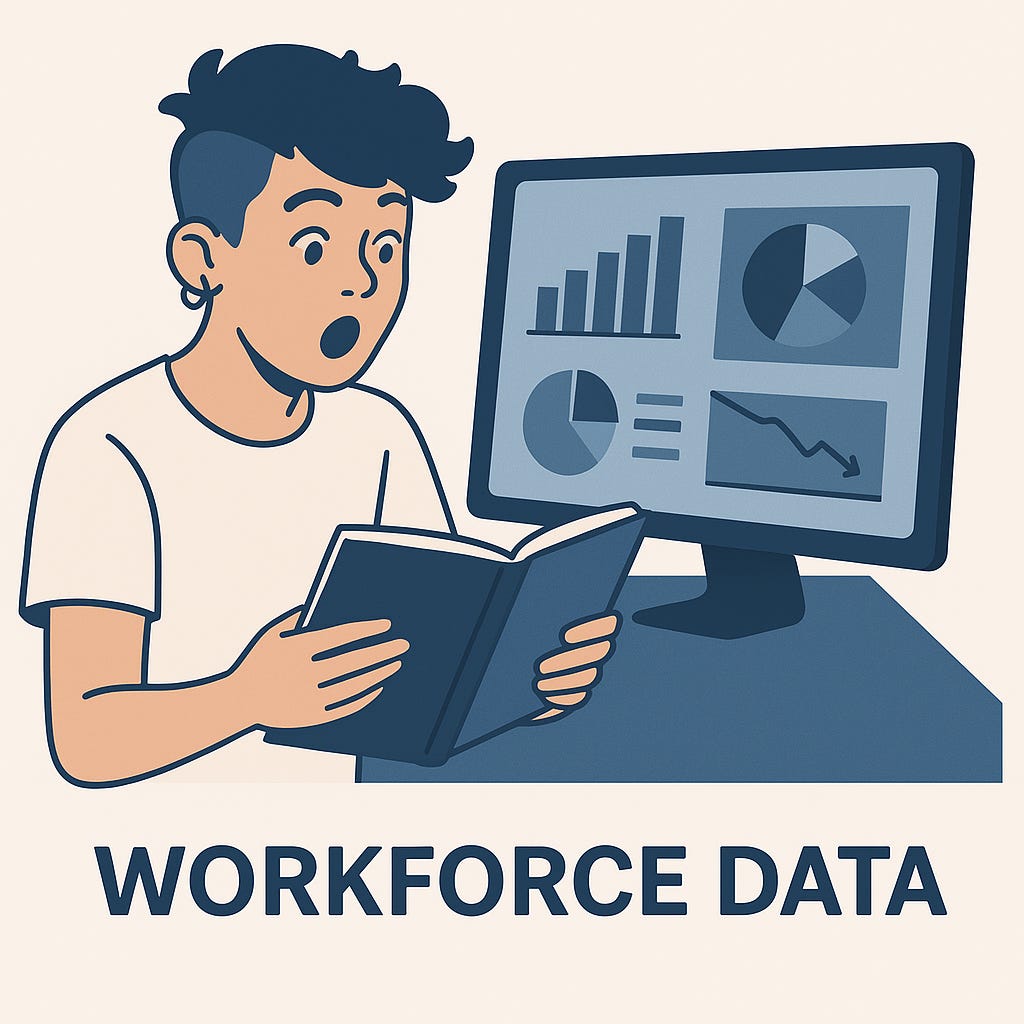
To bridge this gap, we turned to experts in library science and job roles at San José State University. Their insights helped us understand the cultural nuances behind the title. We rebuilt our scenarios based on a common understanding of workforce data.
With this newfound clarity, our Sales Enablement team reformed the learning curriculum using AI. Sales quotas were now based on validated data, and marketing used scenario planning to refine its ideal customer profile (ICP). The product team tweaked its feature prioritization to align with the revised market understanding.
This is what true orchestration looks like. It starts with listening—really listening—before launching. It's about sorting signal from noise and making informed decisions based on a shared understanding.
For those interested in diving deeper into the art of orchestration, I wrote a book: "21 Keys to AI Orchestration." It's for moments like this, when language, context, and assumptions collide, and leadership means orchestrating through the chaos to find fidelity.
Look for it on Amazon soon.

The book: 21 Keys to AI Orchestration: How to lead your team to embrace change: A practitioners playbook for leaders Practical strategies to navigate AI implementation foster innovation transform organizations ==> https://a.co/d/6Of9o2S