


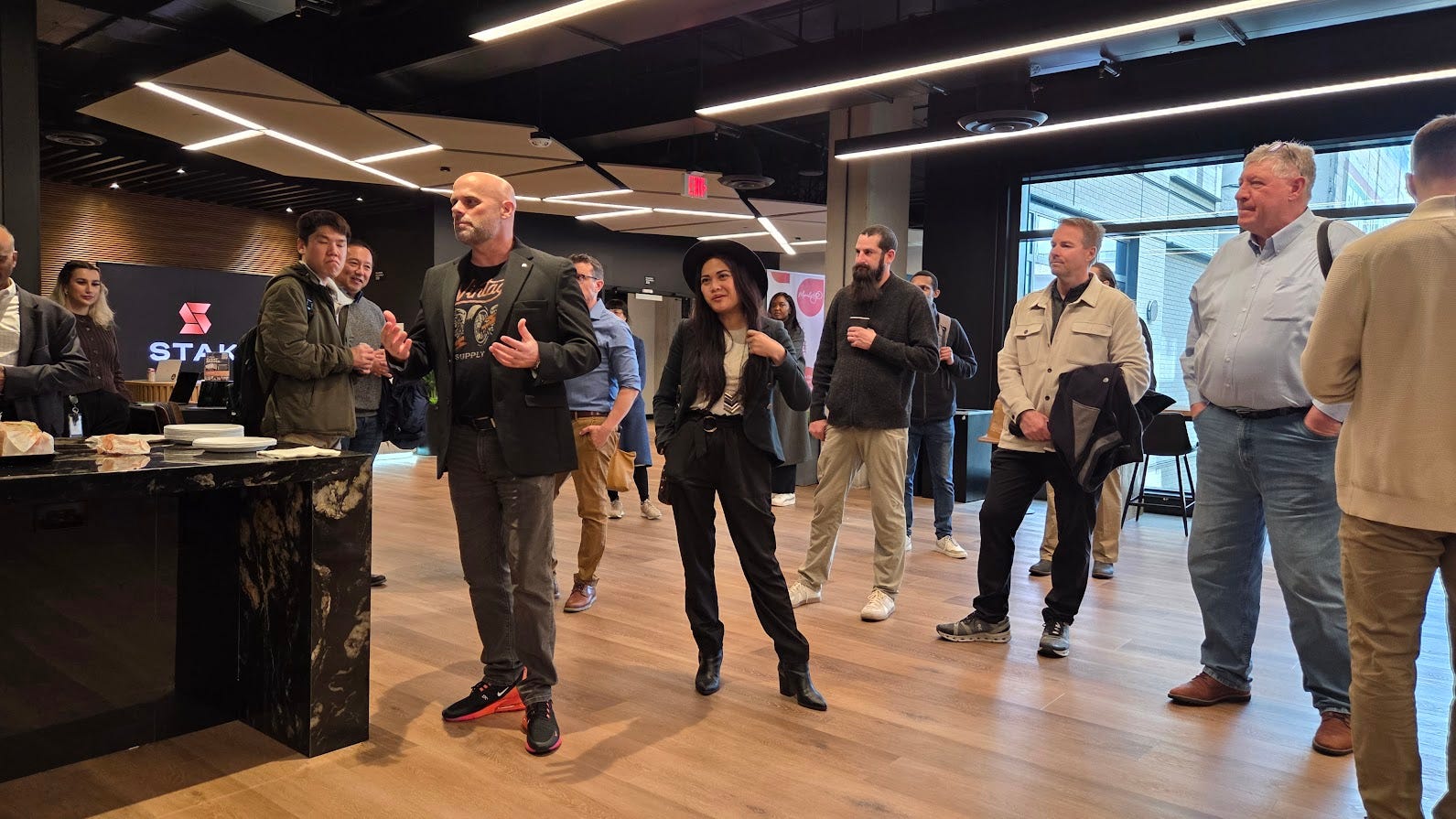
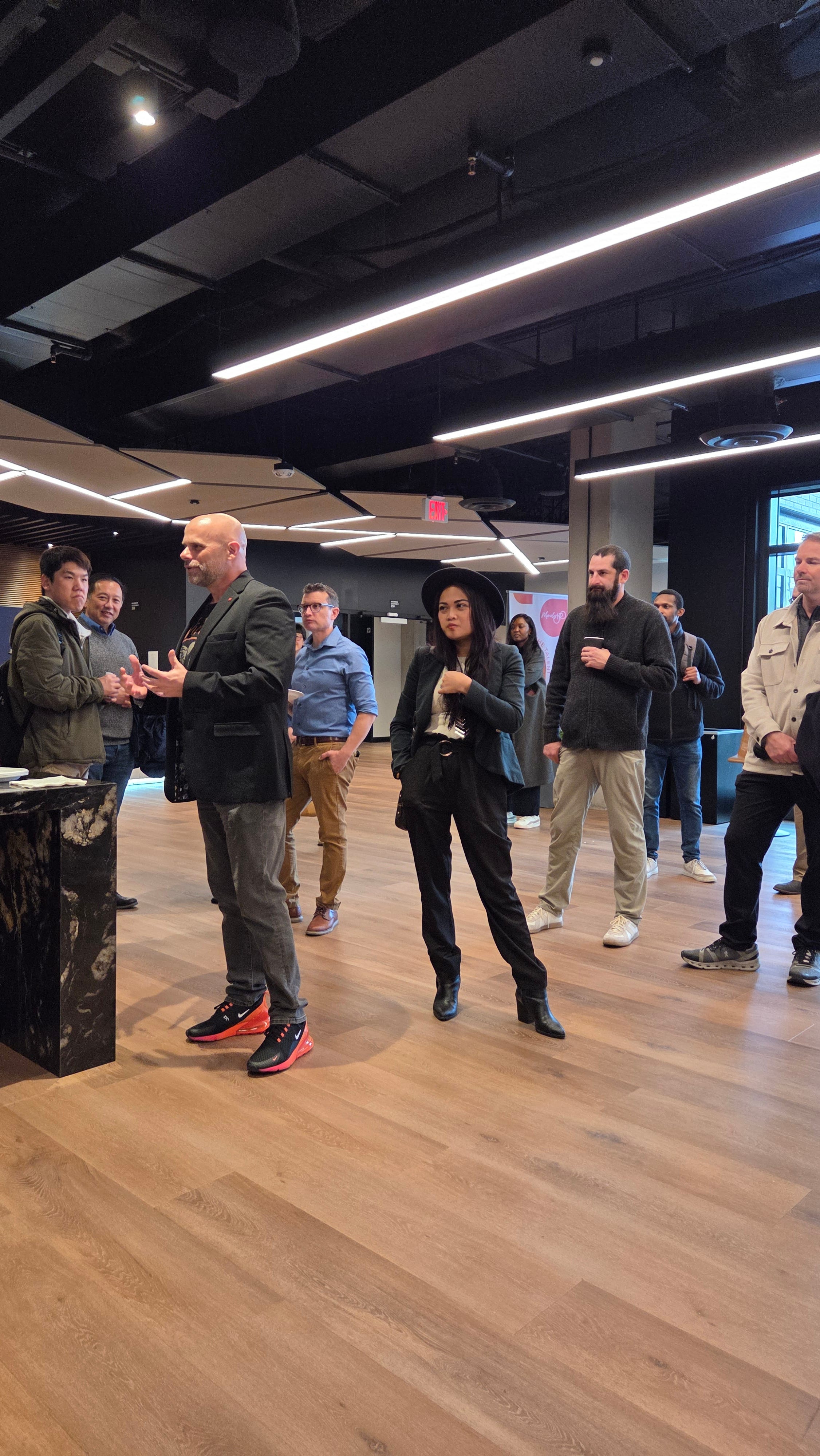
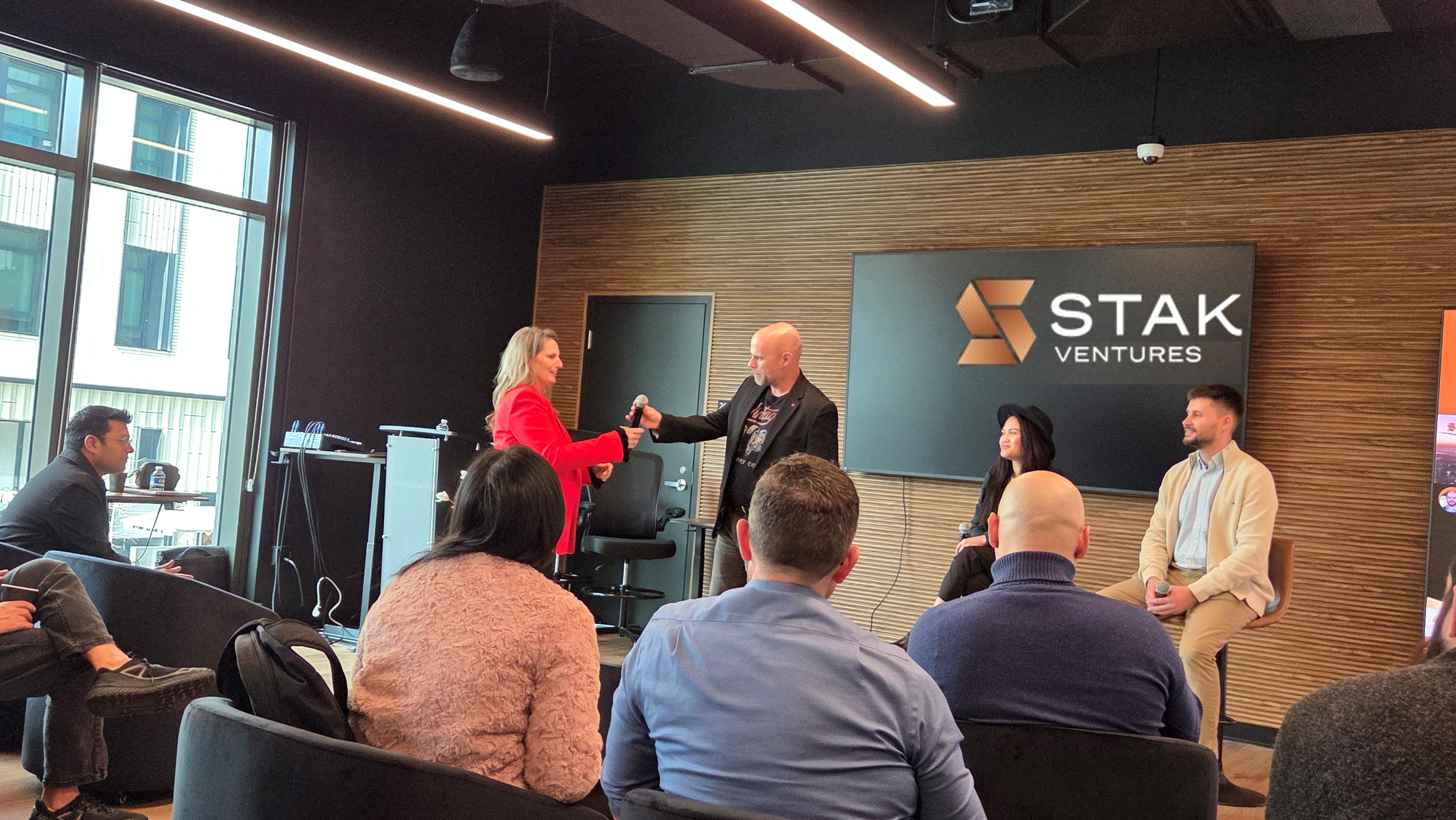
Yesterday I was in a room of founders, investors, and operators at STAK Ventures’ VIP Lunch & Learn, hosted by Brian Sparkes and the Silicon Valley Impact.
I wasn’t there to pitch. I was there to listen.
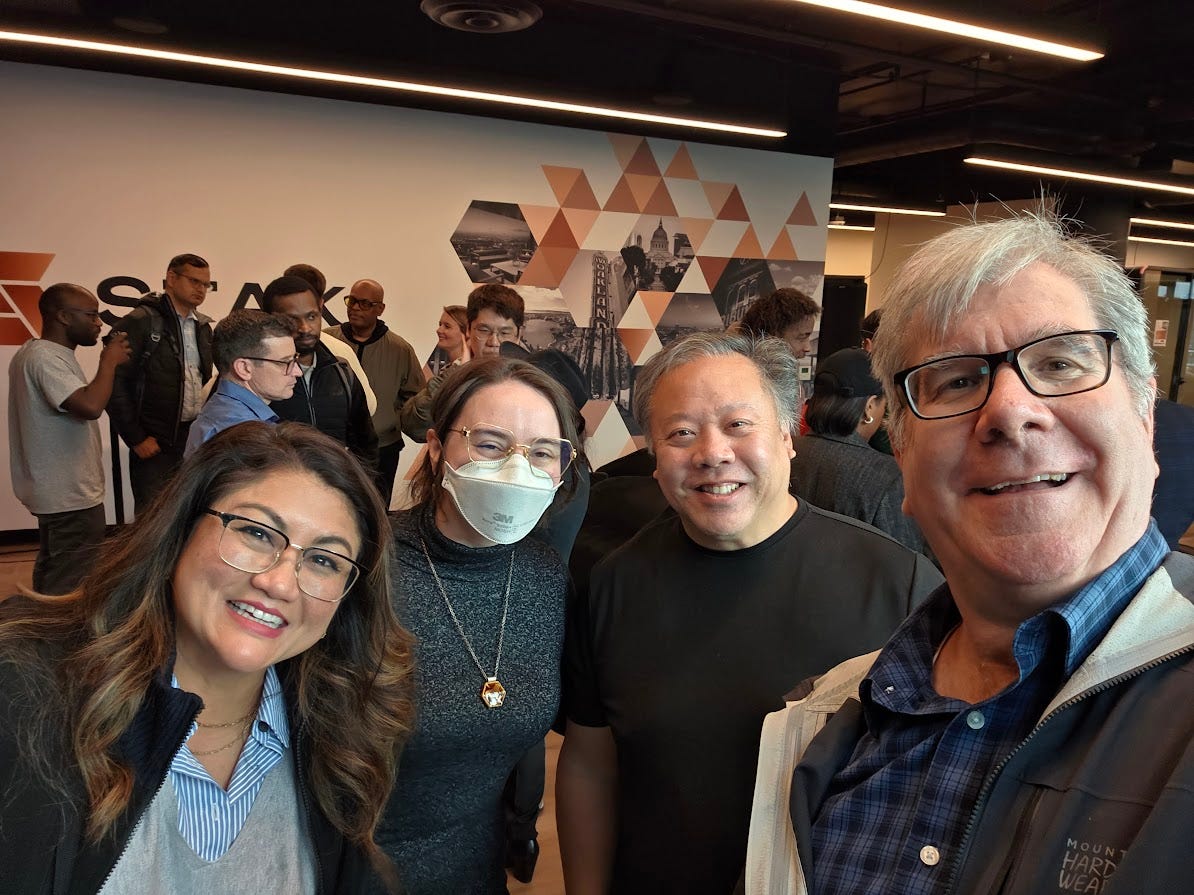
And what I heard underneath the startup energy and investor Q&A were five uncomfortable truths about GTM that most founders acknowledge but very few actually operationalize.
If you follow GTMSoS because you’re wrestling with how to build revenue motion that actually scales, this one’s for you.
Trend 1: Constraints Aren’t a Limitation. They’re the Cheat Code.
The founders moving fast in this environment are not the ones with the most resources.
They’re the ones who’ve decided what they won’t do.
Time. Money. Focus. Headcount. The founders I watched hold the room weren’t paralyzed by infinite options. They were liberated by finite ones.
Constraints force the only thing that matters early: clarity. And clarity is the precondition for any GTM motion worth running. You can’t orchestrate what you haven’t defined. This isn’t a philosophy, but an operating principle.
Trend 2: The Room Is the Product
Brian said something that made half the room laugh and the other half exhale:
“How many of you are founders? … How many of you are lost? You’re not alone.”
That’s the real value of proximity, being near people who have already paid the tuition you’re still paying.
For GTM leaders, this translates directly: the network you’re in shapes the intelligence you have access to. A strong VC or operator network doesn’t just give capital or introductions, it gives context. What “fundable” looks like right now. What customer acquisition motions are actually working. What’s theater and what’s signal.
If your peer group isn’t challenging your assumptions, you need a different room.
Trend 3: A Deck Is Not Conviction
AJ Thomas, one of the investors in the room said something I’ve been thinking about ever since:
“I look at four things. The first is humans, then opportunity, then product, then deal. What I look for is there a humility and audaciousness in the approach?”
She describes it as ‘Humbitiousness’ energy.
That’s a reminder a lot of revenue leaders need too.
A pitch deck is not conviction. Conviction sounds like:
“I’ve lived this problem. I know the wrong fast.”
It’s not polish. because it’s pattern recognition earned in the field.
In my GTM work with sales leaders, I see the same failure mode: teams mistake activity for insight. Cadences for conviction. CRM entries for customer understanding. The founders and sellers who win have specificity. They know their ICP’s exact pain, and they can name what they’ve tried that didn’t work.
Trend 4: AI Is Not a Feature. It’s the Environment.

This is where I want to push past the event recap and give you the straight take.
Danil Kislinsky put it plainly:
“Use AI to run your own diligence first. Interrogate your pitch the way an investor would. Ask the uncomfortable questions.”
That’s correct, but it’s the minimum viable use of AI.
What I see in my AI Orchestration work is that most sales and GTM teams are still treating AI as a productivity layer: faster emails, quicker research, cheaper content. That’s not orchestration. That’s automation cosplay.
The shift worth making: use AI to compress the feedback loop between GTM hypothesis and market signal. Not to produce more, rather to learn faster. Tighter positioning. Faster message testing. Sharper ICP validation. AI doesn’t replace the GTM motion. It accelerates the reps.
And macro context matters here: money is flooding into AI, and investors are openly worried it’s becoming overspend. The founders (and revenue leaders) who survive this cycle will be the ones who can answer:
“How do you create ROI with AI, without being a science project?”
That’s the question my “21 Keys to AI Orchestration” is built to answer. If you’re not already thinking in systems instead of tools, you’re behind.
Trend 5: GTM Means Give-to-Market First
The best conversations in the room weren’t about growth hacks. They were about distribution choices.
Community. Partnerships. Content with a point of view. Outbound with a thesis, not a template. Product-led motions that earn trust before they ask for conversion.
AJ reframed it cleanly: GTM doesn’t just mean “go-to-market.” It means give-to-market.
The room was shifting visibly away from “raise → hire → spray.” The motion that’s working right now is simpler and harder:
Get signal → run tight sprints → earn the right to scale.
That’s the GTM Tab-Killer motion I’m building and testing in public right now. Pick an ICP. Sharpen the message. Ship the motion. Talk to customers. Repeat. No theater. No spray.
Write Your Own Genre
Are VC-funded startups dead, or are they a mystical genre where too many founders are trying to write inside someone else’s, when they should be writing their own?
Currently, with AI hype and AI skepticism rising simultaneously, the founders who survive won’t be the ones with the prettiest deck. They’ll be the ones with:
Constraints that force clarity
Distribution choices, not spray
Real customer pull
A community that keeps them in the game
The journey is still what it’s always been: twists, obstacles, uphill grade. But it’s a hell of a trade if you want your aspirations realized.
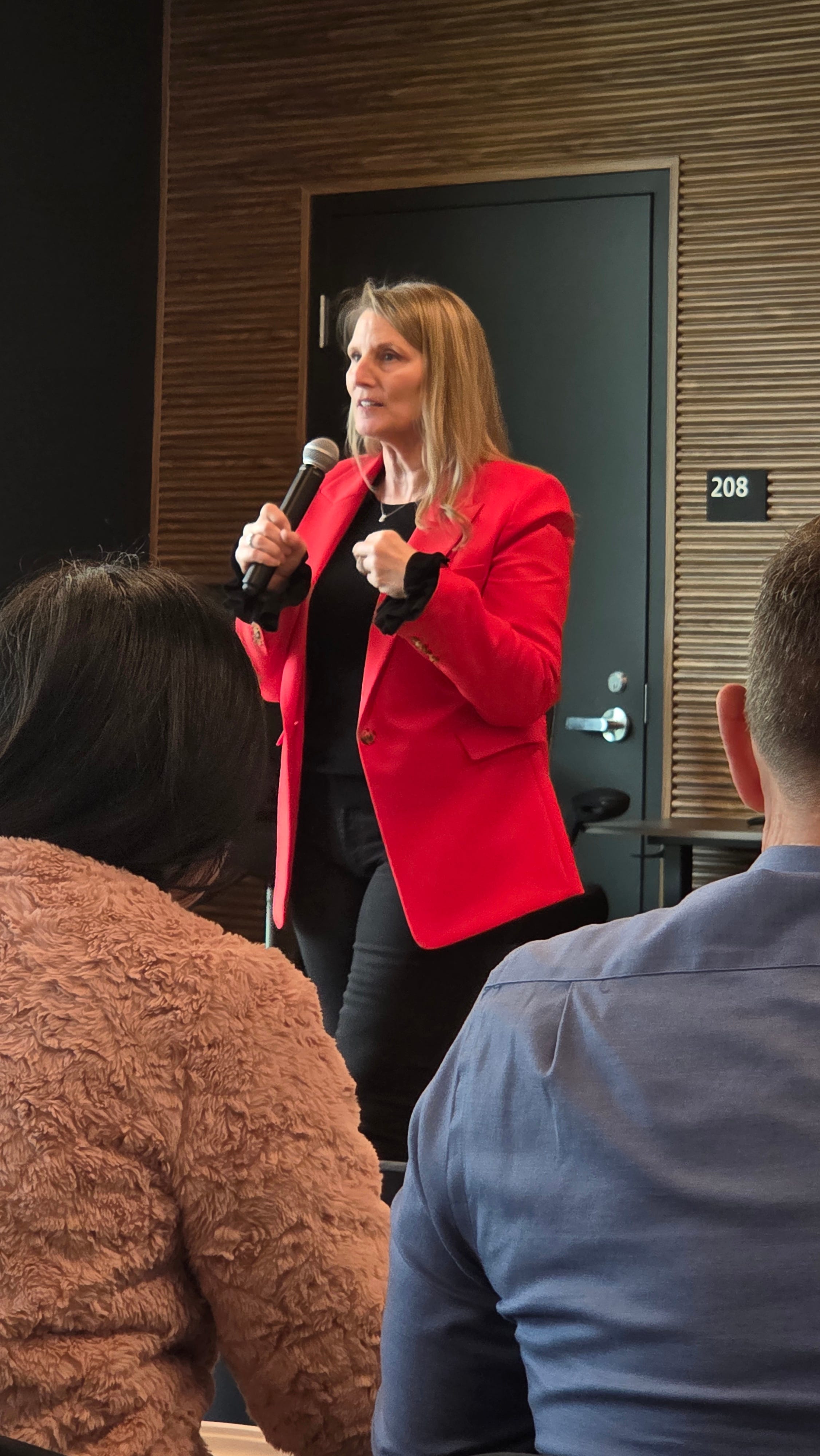
Shoutout to Brian Sparkes and STAK Ventures for building a room that actually moves the needle, not just name tags.
Next issue: I’m running a live GTM sprint right now. Picking ICP, sharpening message, shipping motion, measuring signal. I’ll be sharing the reps in public here on GTMSoS. Subscribe if you want the unfiltered iteration log.
If you were at STAK on February 18th, drop a comment. I’d love to hear what hit you hardest.
Wow, this covers a lot from our talk! Thanks for sharing! It was great having you!